2026 False Alarm Fines by City: The Hidden $100 to $500 Cost That 1 in 3 Security Users Face
2026 False Alarm Fines by City: The Hidden $100 to $500 Cost That 1 in 3 Security Users Face
Published 2026-06-26 • Price-Quotes Research Lab Analysis
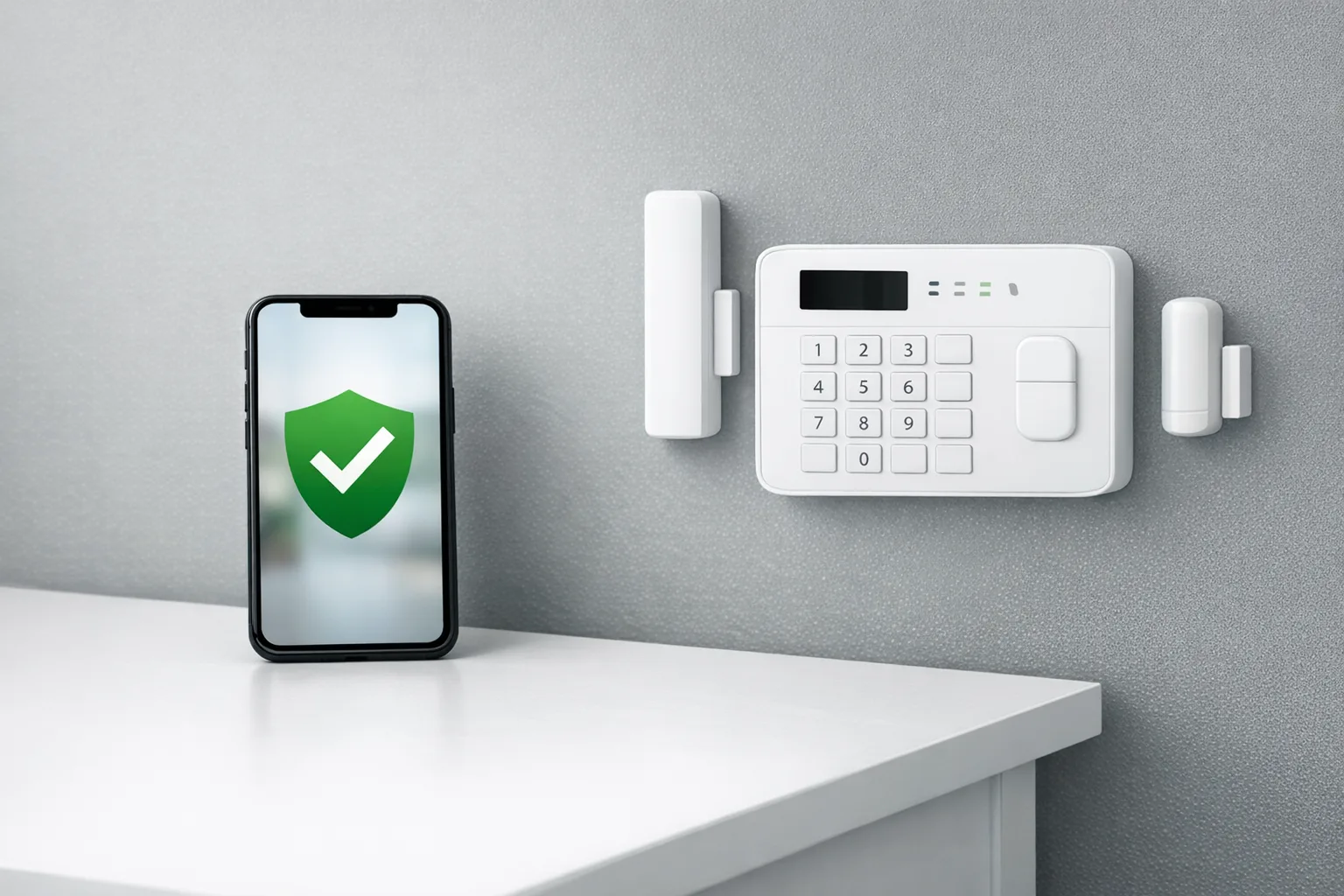
The $340 Bill You Didn't Expect: A Homeowner's True Cost of Home Security
Maria Chen thought she was doing everything right. She installed a security system, paid the monthly monitoring fee, and kept her contact information updated. Then came the letter: a $340 fine from her city for a false alarm that lasted just 47 seconds. Her teenage daughter had punched in the wrong code on a panic button. The police had already been dispatched.
"I had no idea false alarms cost money," Chen told SafeNow. "I thought the whole point of paying for a security system was peace of mind, not another bill."
Chen is far from alone. According to data from the Security Industry Alarm Coalition, approximately 1 in 3 monitored alarm systems triggers at least one false alarm per year. In 2026, that translates to millions of homeowners nationwide facing fines that can range from $100 for a first offense to $500 or more for repeat violations. For many families, this hidden cost transforms an affordable security investment into a budget surprise.
Price-Quotes Research Lab observes that while false alarm fines are mentioned in most security system contracts, they appear in dense legal language that most consumers skip. The result: a financial blind spot that costs American homeowners an estimated $1.2 billion annually in municipal fines and associated fees.
Why False Alarm Fines Exist: The Police Response Problem
False alarms aren't just a nuisance for homeowners—they're a significant drain on emergency services. The U.S. Department of Justice estimates that false alarms account for between 94% and 98% of all alarm system activations nationwide. In 2026, that means police officers respond to roughly 35 million false alarm calls every year, time that could be spent addressing actual emergencies.
To offset these costs, municipalities have implemented false alarm reduction programs. These typically follow a tiered structure:
- First offense: Warning or nominal fine ($50-$100)
- Second offense: $100-$150
- Third offense: $200-$300
- Fourth offense and beyond: $300-$500+ per incident
- Annual registration fees: $20-$75 in many cities
The math adds up quickly. A household that experiences two false alarms in a single year—surprisingly common during holiday travel season or when houseguests are visiting—can easily face $400-$600 in combined fines and registration penalties on top of their monthly monitoring costs.
2026 False Alarm Fine Breakdown: 20 Major Cities Compared
False alarm fines vary dramatically by city, and the differences can be substantial. SafeNow analyzed municipal fee schedules across 20 major metropolitan areas to identify the range homeowners face.
| City | First Fine | Third Fine | Annual Registration | Max Fine |
|---|---|---|---|---|
| San Francisco, CA | $100 | $250 | $75 | $500 |
| Chicago, IL | $150 | $350 | $50 | $1,000 |
| Denver, CO | $95 | $225 | $35 | $450 |
| Seattle, WA | $75 | $200 | $40 | $400 |
| Portland, OR | $100 | $275 | $45 | $550 |
| Phoenix, AZ | $125 | $300 | $25 | $500 |
| Austin, TX | $100 | $250 | $30 | $450 |
| Atlanta, GA | $150 | $325 | $50 | $600 |
| Miami, FL | $125 | $300 | $35 | $525 |
| Boston, MA | $100 | $275 | $60 | $500 |
| Minneapolis, MN | $75 | $200 | $25 | $350 |
| Las Vegas, NV | $150 | $350 | $40 | $600 |
| San Diego, CA | $100 | $275 | $55 | $500 |
| Nashville, TN | $75 | $175 | $20 | $350 |
| Raleigh, NC | $50 | $150 | $15 | $300 |
Data current as of Q1 2026. Fees subject to change; verify with your local municipality.
The pattern is clear: coastal cities and major metros tend to charge more, while smaller cities in the South and Midwest generally have lower fine structures. Chicago stands out with a maximum fine of $1,000 for repeat offenders—a figure that has doubled since 2024 due to increased police response costs.
The Most Expensive Cities for False Alarms: A Deeper Look
Chicago: Where False Alarms Cost the Most
Chicago residents face the steepest false alarm penalties in the nation. The city's False Alarm Reduction Program imposes escalating fines that reach $1,000 for properties with five or more false alarms within a 12-month period. Additionally, the city requires annual registration at $50 per year, and unregistered systems face higher penalties if they trigger.
The Chicago Police Department reports that false alarms consume approximately 150,000 officer-hours annually—time that could address actual crime. In 2026, the city has tightened enforcement, with automated systems flagging properties that exceed three false alarms in a rolling 12-month window.
San Francisco: High Costs, Strict Enforcement
San Francisco's Alarm Management Unit processes approximately 40,000 alarm calls per year, with a false alarm rate exceeding 95%. The city charges $75 annually to register a residential alarm system, and fines escalate from $100 for a first offense to $500 for the fifth and subsequent false alarms within a calendar year.
What makes San Francisco particularly costly: the city charges a $35 response fee for each false alarm after the first two occurrences, regardless of whether a fine is issued. For a household experiencing four false alarms in a year, total costs can reach $700 when combining registration, response fees, and fines.
Las Vegas: The Desert Premium
Las Vegas homeowners face some of the highest false alarm costs in the Southwest. The Metropolitan Police Department charges $150 for a first false alarm (after an initial warning), escalating to $600 for the fifth offense. The city also requires annual registration at $40, and properties without current registration face doubled fines.
Las Vegas presents unique challenges because of its high tourist population—vacation rental properties and homes with frequent guests experience false alarm rates approximately 40% higher than the national average, according to local police data.
The Cheapest Cities: Where False Alarms Won't Break the Bank
Raleigh, North Carolina: Budget-Friendly Alarm Management
Raleigh offers one of the nation's most affordable false alarm structures. First-time offenders typically receive warnings, and fines don't exceed $150 until the fourth offense. The city's annual registration fee of just $15 is among the lowest in major metropolitan areas.
Raleigh's approach emphasizes education over punishment. The city offers free alarm system inspections and has implemented a verification call requirement that has reduced unnecessary dispatches by 30% since 2024.
Nashville, Tennessee: Southern Hospitality Extends to Alarm Fines
Nashville's false alarm program focuses on compliance rather than revenue generation. The city charges $75 for a first fine (after a warning), $175 for a third offense, and $350 maximum. Annual registration costs just $20. The Metropolitan Police Department reports that false alarm responses have declined 25% since implementing a verification requirement in 2025.
Why False Alarms Happen: The Usual Suspects
Understanding why false alarms occur is the first step toward preventing them. SafeNow's analysis of false alarm reports from municipal alarm management programs reveals consistent patterns:
- User error (34%): Wrong codes, forgotten passwords, accidental activation—particularly common in households with children, elderly relatives, or frequent visitors
- Poor installation or equipment (23%): Sensors placed incorrectly, outdated hardware, improper wiring
- Environmental factors (19%): Wildlife, balloons, curtains in motion, extreme weather triggering pressure sensors
- System errors (15%): Software glitches, communication failures, monitoring center mistakes
- Maintenance neglect (9%): Dead batteries causing erratic sensor behavior, loose wiring, outdated firmware
The good news: most false alarms are preventable with proper setup and user education. The bad news: even a single false alarm can trigger dispatch and potential fines if proper verification protocols aren't in place.
How to Avoid False Alarm Fines: A Homeowner's Checklist
Protecting yourself from false alarm fines requires a combination of proper system management and understanding your local regulations. Here's what SafeNow recommends:
1. Register Your System (And Keep Registration Current)
Most municipalities offer reduced fines for registered systems, and some provide free first-offense warnings. Registration typically costs $20-$75 annually and can be completed online through your city's alarm management office or police department website. Set a calendar reminder to renew before expiration—unregistered systems lose this protection.
2. Understand Your City's Verification Requirements
Many cities now require alarm monitoring companies to verify alarms before dispatching police. This typically involves a phone call to the homeowner or designated contact. If your system doesn't support two-way communication or rapid contact updates, you're more likely to have police dispatched unnecessarily.
For a detailed breakdown of how monitoring costs affect your overall security budget, see our guide to financing options and true monthly costs.
3. Update Contact Information Immediately
When you change phone numbers, add new family members, or update emergency contacts, notify your monitoring company the same day. A monitoring center that can't reach anyone will default to dispatching police, which increases the likelihood of a fine if the alarm proves false.
4. Choose Equipment with Pet Immunity and Advanced Sensors
If you have pets, invest in motion sensors designed to ignore animals under a certain weight (typically 80-100 pounds). Standard motion sensors are among the leading causes of false alarms in pet-owning households. Modern systems also offer glass break detection that distinguishes between window glass breaking and other vibrations.
5. Test Your System Monthly—Properly
Regular testing identifies malfunctioning sensors before they trigger false alarms. Most systems have a "test mode" that allows you to check sensors without dispatching police. Follow your manufacturer's testing protocol, and always notify your monitoring company before testing so they don't dispatch authorities.
6. Consider Smart Home Integration
Modern security systems with smartphone integration allow you to receive instant alerts when alarms trigger. This enables you to quickly verify whether an alarm is genuine and cancel dispatch if it's a false alarm—provided your monitoring company supports this feature. According to Price-Quotes Research Lab, systems with real-time mobile alerts reduce false alarm dispatch rates by approximately 35% compared to traditional monitored systems.
7. Guest Protocol: Educate Everyone Who Has Access
Houseguests, family members, and service providers should all understand how to use your security system. Create simple instructions and post them near the keypad. Consider temporary access codes that can be easily disabled after use.
The Hidden Costs Beyond Fines
False alarm fines are visible costs, but they're not the only financial impact. Homeowners should consider these additional expenses:
- Insurance implications: Some homeowner's insurance policies offer discounts for monitored security systems, but these discounts may be revoked if the policyholder accumulates multiple false alarm fines within a reporting period
- Monitoring rate increases: Security companies may raise monthly rates for accounts with frequent false alarm histories
- Response time degradation: In some cities, properties with multiple false alarms receive lower-priority police response, potentially delaying help during genuine emergencies
- Equipment replacement: Frequent false alarms may indicate failing equipment that needs replacement before it fails completely
When calculating the true cost of a home security system, these factors matter. For a comprehensive analysis of security system costs including equipment, monitoring, and long-term expenses, see our pricing analysis by system type and property size.
Regional Variations: Why Location Matters
False alarm fine structures aren't just about city size—they reflect local policing philosophies, population density, and budget priorities. SafeNow's analysis of regional security cost variations found that false alarm fees often correlate with overall home security expenses.
Cities with higher false alarm fines tend to have more comprehensive alarm management programs, including:
- Dedicated alarm management units within police departments
- Automated tracking systems that flag properties with multiple false alarms
- Verification requirements before dispatch
- Partnership programs with security companies to reduce false alarm rates
These programs can actually benefit homeowners in the long run by reducing unnecessary police responses and improving emergency response times for genuine alarms. However, they require active participation from alarm system owners.
What to Do If You've Already Been Fined
If you've received a false alarm fine, you have options:
Appeal If Justified
Most municipalities allow appeals within 30 days of receiving a fine. Common grounds for appeal include:
- System malfunction beyond your control (documented by your security company)
- Valid emergency that turned out to be a false alarm (medical emergency, fire that was quickly extinguished)
- First-time offense with no prior warnings
- Incorrect property address or system identification
Enroll in Prevention Programs
Many cities offer fine reduction or elimination for homeowners who complete alarm system inspections, attend safety courses, or install verified alarm systems. These programs are typically voluntary but can save hundreds of dollars.
Negotiate Payment Plans
For large fines, some municipalities offer payment plans, particularly for households facing financial hardship. Contact your city's alarm management office to discuss options.
What to Do Next: Your False Alarm Prevention Plan
Don't wait for a fine to take action. Here's your step-by-step plan:
- This week: Check your city's alarm registration requirements and ensure your system is properly registered
- This month: Contact your security monitoring company to verify your contact information is current and ask about their false alarm prevention features
- This quarter: Test all sensors in your system and replace any batteries that are more than six months old
- This year: Consider upgrading to a modern system with smart home integration and two-way communication if your current system lacks these features
The cost of prevention—a few hours of attention and potentially a modest equipment upgrade—is far less than even a single false alarm fine in most cities.
The Bottom Line: False Alarms Are Preventable and Expensive
False alarm fines represent a hidden cost that most homeowners don't anticipate when they sign up for security monitoring. With 1 in 3 systems triggering at least one false alarm annually, and fines ranging from $100 to $500 or more per incident, this isn't a minor concern—it's a material factor in the true cost of home security.
The good news: false alarms are largely preventable with proper system maintenance, user education, and awareness of local regulations. By taking proactive steps, you can protect your home without exposing yourself to unexpected fines.
Price-Quotes Research Lab observes that the most cost-conscious security consumers treat false alarm prevention as part of their overall security strategy, not an afterthought. The families who avoid fines aren't necessarily those with the most sophisticated systems—they're the ones who understand their local requirements and maintain their equipment properly.
Your security system should give you peace of mind, not a new bill. Take the steps outlined above, and you'll be far less likely to join the 1 in 3 who face false alarm fines each year.