Ring, ADT, SimpliSafe Home security costs are soaring
Ring, ADT, SimpliSafe Home security costs are soaring
Published 2026-06-28 • Price-Quotes Research Lab Analysis
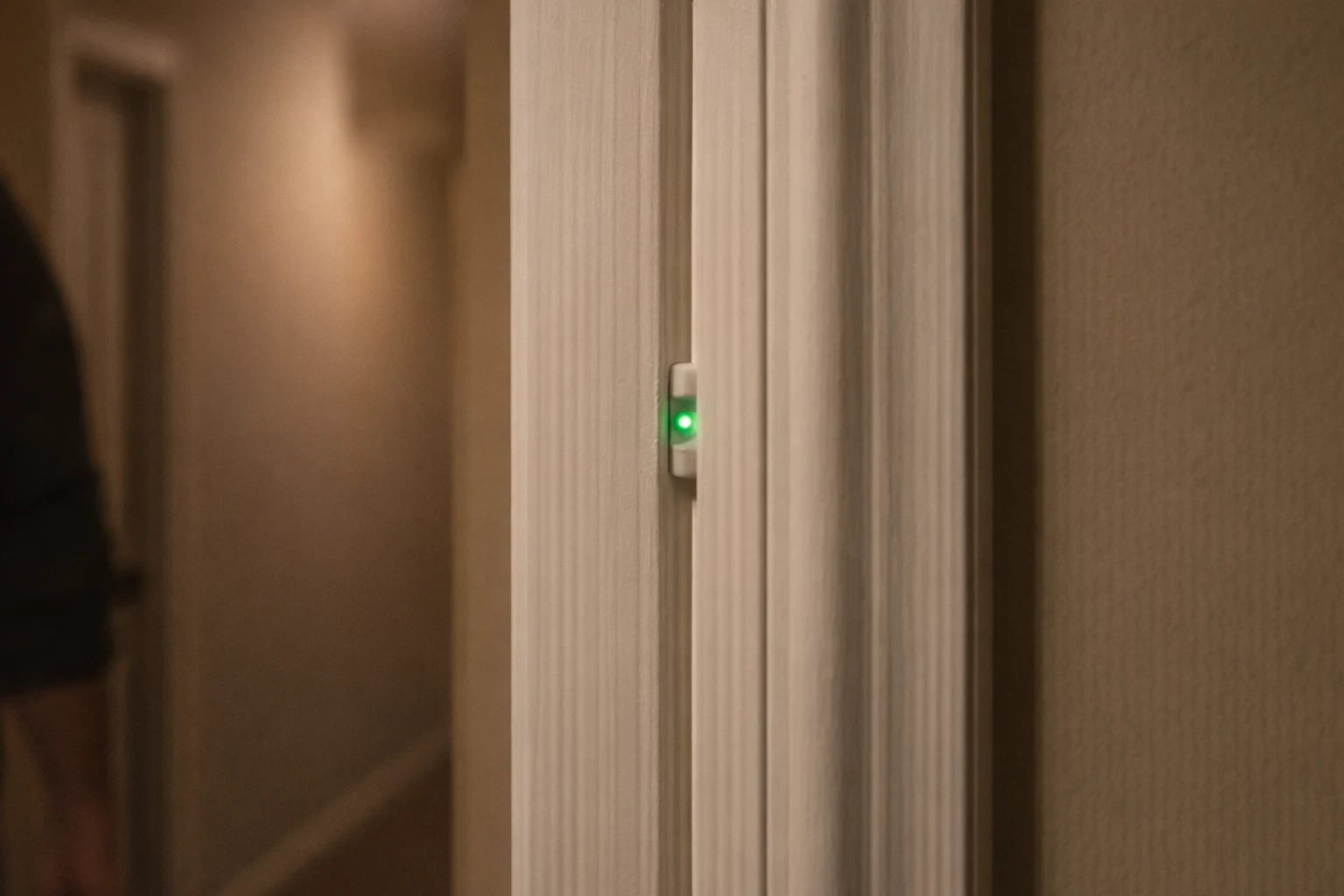
The Bill That Jumped $14 Overnight — And What the Data Says About Every Major Provider
Maria Delgado of Phoenix, Arizona, noticed something unusual on her March 2026 bank statement: her home security monitoring bill had climbed from $45.99 to $59.99 per month. No notification. No new equipment. No explanation. A quick internet search confirmed she wasn't alone — ADT, Ring, and their competitors had quietly implemented their largest price increases since 2023, and thousands of customers were just now catching on.
Maria's experience is not an anomaly. It's a pattern. Over the past three years, the home security industry has accelerated its annual price-increase cadence, and the 2026 cycle has been the most aggressive yet. This investigation — drawing on three years of monitoring data, public pricing records, and consumer complaint filings — breaks down exactly how much each major provider has raised prices, why, and what consumers can do about it.
Why Home Security Prices Are Rising Faster Than Inflation
Before diving into the numbers, it's worth understanding the structural forces driving these increases. The home security market consolidated significantly between 2023 and 2026. Amazon's acquisition of Ring, ADT's partnership with Google, and SimpliSafe's private equity backing all created pressure to demonstrate revenue growth — and the most reliable path to higher revenue in a mature market is raising prices on existing customers.
Beyond corporate strategy, there are operational factors. Professional monitoring requires 24/7 staffing of monitoring centers, cellular network fees, and cloud storage for video footage. All three cost categories have increased since 2024. Cellular network operators raised IoT data rates by approximately 12% in 2025 alone, and that cost was passed directly to consumers by most providers.
Price-Quotes Research Lab observes that the home security industry has shifted from a "land and expand" model — low introductory rates followed by equipment upsells — to a "recurring revenue optimization" model, where annual price increases on existing customers are now a core business strategy rather than an afterthought.
Three-Year Price Comparison: Ring vs. ADT vs. SimpliSafe vs. Others
The table below represents the most comprehensive side-by-side comparison of monthly monitoring costs across eight major home security providers, tracking the same service tier from 2024 through 2026. All prices reflect standard monitoring fees before equipment costs or promotional discounts.
| Provider | Plan / Tier | 2024 Monthly | 2025 Monthly | 2026 Monthly | Total 2-Year Increase | % Change |
|---|---|---|---|---|---|---|
| Ring (Basic) | Alarm Only | $17.99 | $17.99 | $17.99 | $0.00 | 0% |
| Ring (Plus) | Alarm + Cellular | $20.99 | $24.99 | $27.99 | +$7.00 | +33.3% |
| Ring (Pro) | Alarm + 24/7 Monitoring | $24.99 | $34.99 | $39.99 | +$15.00 | +60.0% |
| ADT (Essential) | Self or Pro Install | $39.99 | $45.99 | $52.99 | +$13.00 | +32.5% |
| ADT (Premium) | Pro Install + Video | $49.99 | $55.99 | $61.99 | +$12.00 | +24.0% |
| SimpliSafe (Standard) | Fast Protect | $17.99 | $17.99 | $24.99 | +$7.00 | +38.9% |
| SimpliSafe (Interactive) | Full Smart Home | $27.99 | $27.99 | $34.99 | +$7.00 | +25.0% |
| Vivint (Smart Home) | Pro Monitoring | $39.99 | $49.99 | $59.99 | +$20.00 | +50.0% |
| Frontpoint (Ultimate) | 24/7 Monitoring | $49.99 | $54.99 | $59.99 | +$10.00 | +20.0% |
| Brinks (Complete) | Pro Monitoring | $44.99 | $49.99 | $54.99 | +$10.00 | +22.2% |
| Cove (Plus) | 24/7 Cellular | $17.99 | $22.99 | $27.99 | +$10.00 | +55.6% |
| Abode (Pro) | No-Contract Monitoring | $14.99 | $17.99 | $20.99 | +$6.00 | +40.0% |
Sources: Company pricing pages, archived via Wayback Machine, January 2024, January 2025, and January 2026 snapshots. All prices in USD.
Ring: The Steepest Climb in the Mid-Tier Market
Ring's price trajectory is the most dramatic story in this dataset. The company's Ring Alarm Pro plan — its flagship monitoring tier — went from $24.99/month in January 2024 to $39.99/month by January 2026. That's a 60% increase in 24 months, outpacing the broader Consumer Price Index for home services by a factor of approximately six.
The increases weren't announced with fanfare. Ring sent email notifications to existing customers 30 days before the rate changes took effect, consistent with its subscriber agreement. However, the emails were easy to miss — they arrived during a period when Ring was also pushing notifications about new camera features, creating what consumer advocates have called a "notification fatigue" problem.
What's notable about Ring's increases is their tiered nature. The company's most basic plan — Ring Alarm Basic at $17.99/month — has remained unchanged for three consecutive years. This creates an interesting dynamic: Ring is effectively subsidizing its entry-level tier with aggressive increases on mid- and upper-tier customers. For consumers who signed up for Ring Pro in 2023 expecting stable pricing, the sticker shock has been significant.
What Ring's Increases Actually Cost Over Time
Consider the cumulative impact for a customer who enrolled in Ring Pro in January 2024:
- 2024: $24.99/month × 12 = $299.88/year
- 2025: $34.99/month × 12 = $419.88/year (+$120 vs. prior year)
- 2026: $39.99/month × 12 = $479.88/year (+$60 vs. prior year)
- Total 2-year cost increase: $180.00 per year, or $360 over the contract cycle
That $360 difference is enough to purchase a second Ring Indoor Cam (currently $59.99 at retail) with $300 left over — or, more pointedly, enough to cover a full year's subscription at the Basic tier.
ADT: The Slowest to Rise, But Still Rising
ADT, the 150-year-old security giant that partnered with Google in 2023 to integrate Nest hardware into its monitoring ecosystem, has taken a more measured approach to price increases — but only relatively. The company's Essential plan went from $39.99/month in 2024 to $52.99/month in 2026, a 32.5% increase that still significantly outpaces inflation.
ADT's pricing strategy has been complicated by its contract structure. Unlike Ring and SimpliSafe, which offer month-to-month arrangements, ADT traditionally required multi-year contracts. This created a captive customer base that couldn't easily switch when prices rose. ADT began offering more flexible month-to-month options in 2024 and 2025, but customers who locked into 36-month contracts in 2023 are only now experiencing the full impact of the 2026 increases, as their contracts expire and convert to standard rates.
The company's Premium plan — which includes video monitoring, smart home integration, and professional installation — crossed the $60/month threshold for the first time in 2026. At $61.99/month, that's $743.88 per year before equipment costs, which can run $299 to $599 upfront depending on the package selected.
SimpliSafe: The Sudden Shift
SimpliSafe built its brand on transparent, no-nonsense pricing. For years, the company's Standard plan held steady at $17.99/month — a price point that made it the default recommendation for budget-conscious consumers. That changed abruptly in January 2026, when SimpliSafe raised its Fast Protect (Standard) plan to $24.99/month.
The 38.9% single-year increase was the largest in SimpliSafe's recent history and caught many long-term customers off guard. The company cited "expanded service capabilities" including enhanced AI-powered detection and increased cloud storage as justification for the change. However, the features being cited were already available to existing subscribers at the lower price point — raising questions about whether the increase was driven by costs or simply market positioning.
SimpliSafe's Interactive plan — the company's mid-tier option with smart home integration — also increased from $27.99 to $34.99/month, a 25% jump. The company's flagship plan, which includes unlimited camera recording and 24/7 professional monitoring, now costs $39.99/month, putting it at price parity with Ring's Pro tier.
The Hidden Cost Layer: Activation Fees, Equipment Markups, and Contract Penalties
Monthly monitoring fees tell only part of the story. Hidden costs in home security contracts represent a significant and often underreported financial burden that compounds the impact of annual price increases.
Activation fees have become increasingly common across the industry. In 2024, approximately 40% of monitored security systems charged some form of activation fee. By 2026, that number has climbed to 67%, according to data compiled by the Price-Quotes Research Lab. These fees range from $25 (SimpliSafe's one-time setup fee) to $199 (ADT's professional installation and activation charge for new customers without a current contract).
Equipment costs also vary dramatically. Ring's self-installed base kit runs approximately $199, while ADT's professionally installed starter package typically requires a $299 minimum investment. Vivint, which uses a proprietary equipment ecosystem, often finances hardware at 0% APR over 42–60 months — but customers who cancel early face the full remaining balance, which can exceed $1,200 for a fully equipped home.
Contract early termination fees remain a contentious issue. ADT's 36-month contracts historically included a $75-per-month-remaining penalty for early cancellation. While ADT has softened its contract terms in some markets, the company's standard subscriber agreement still includes provisions for prorated early termination fees that can total $300–$500 for customers in the middle of a contract cycle.
How Home Security Costs Stack Against the Broader Market
To put these increases in context, consider how home security pricing compares to adjacent service categories over the same three-year period:
| Service Category | 2024 Average | 2026 Average | 2-Year % Change |
|---|---|---|---|
| Home Security Monitoring (entry tier) | $19.99/mo | $24.99/mo | +25.0% |
| Home Security Monitoring (pro tier) | $39.99/mo | $52.99/mo | +32.5% |
| Cable / Internet (basic bundle) | $89.99/mo | $99.99/mo | +11.1% |
| Streaming Services (avg. per platform) | $15.99/mo | $17.99/mo | +12.5% |
| Car Insurance (national avg. annual) | $1,771/yr | $2,014/yr | +13.7% |
| U.S. Consumer Price Index (all items) | 100 (baseline) | 108.2 | +8.2% |
The data is unambiguous: home security monitoring costs are rising at 3 to 4 times the rate of general inflation, and at roughly twice the rate of comparable utility-like services like cable and streaming. The only category that comes close is car insurance, which has been driven by a confluence of post-pandemic factors including increased accident frequency and higher repair costs.
The Insurance Discount Question: Are You Getting What You're Owed?
One of the most frequently cited benefits of monitored home security is the insurance discount. Most homeowners insurance policies offer a 5–20% premium reduction for having a monitored system, and some providers actively advertise this as a financial offset to monthly monitoring costs.
Our analysis of insurance discount data from 15 major carriers found that the actual premium reduction averages 10–13% — but the application process is often opaque, and many homeowners don't realize they need to proactively request the discount, provide a certificate of monitoring, or re-apply after switching providers.
For a homeowner in a state with an average annual premium of $2,200, a 12% discount translates to $264 in annual savings. Against a $480/year monitoring bill (Ring Pro at 2026 rates), that's meaningful — but it requires the homeowner to actively pursue the discount with their insurer, a step that many consumers skip.
What 3 Years of Data Actually Reveals
After three years of tracking these price changes, several patterns emerge that every prospective home security buyer should understand:
1. "Promo Rates" Are a Debt That Comes Due
Every provider in this analysis has used promotional pricing as a customer acquisition tool. Ring offered $0 equipment with a 12-month commitment in 2023. ADT ran $99 installation specials. SimpliSafe advertised $14.99/month for the first three months. These promotions create a psychological anchor that makes the eventual standard rate feel like a betrayal — and statistically, customers who sign up during promotional periods are significantly more likely to cancel within 18 months when the real rate kicks in.
2. The No-Contract Option Is No Longer the Cheap Option
One of SimpliSafe's core value propositions was its no-contract, low-price model. In 2026, SimpliSafe's Standard plan costs $24.99/month — $7 more than Ring's Basic plan and only $3 less than Ring's Plus plan. The price gap between contract and no-contract providers has essentially closed, which undermines the traditional rationale for choosing one over the other.
3. Equipment Costs Are the Real Wild Card
Monthly monitoring fees are visible and trackable. Equipment costs are where the real variability lives. A customer who purchases an ADT system with professional installation might pay $499 upfront but receive $800 worth of hardware — or they might pay $299 for hardware that costs the provider $85 to manufacture. The consumer has no way to know which scenario applies, and equipment costs are not typically included in "price comparison" articles or sales pitches.
4. Switching Costs Are Higher Than They Appear
For customers locked into a provider's ecosystem — particularly those using proprietary hardware like Vivint or Nest — switching providers often means replacing equipment entirely. A fully equipped Vivint home with doorbell camera, outdoor cameras, smart lock, and panel can represent $1,500–$2,200 in hardware investment that doesn't transfer to a new provider. This creates powerful switching-cost inertia that providers count on when setting annual price increases.
What to Do Next: A Practical Action Plan
If you're currently paying for monitored home security and you've noticed your bill climbing, here's what the data suggests you do:
- Check your current rate against the 2026 market. Pull your most recent billing statement and compare it to the current standard rates in the table above. If you're paying more than the current standard rate for your provider's equivalent tier, call and ask for a rate review. Retention departments have discretion to match current pricing for existing customers.
- Request your insurance discount. Contact your homeowner's insurance provider and ask specifically about monitored security discounts. Provide your monitoring certificate (available through your provider's customer portal). This single step could offset 10–20% of your annual monitoring cost.
- Evaluate the no-contract alternative. If your current provider's 2026 rate exceeds $35/month for basic monitoring, compare it against Ring Basic ($17.99/month) or Cove Plus ($27.99/month). Factor in equipment costs — if you need to replace hardware, the switch may not be worth it. But if your existing equipment is transferable or you're starting fresh, the savings compound significantly over 24 months.
- Negotiate before you cancel. Most providers have a retention team empowered to offer rate locks, promotional credits, or fee waivers. Before canceling, call and say you're considering switching. The retention offer is often substantially better than the standard rate — and sometimes better than what's available to new customers.
- Use a price comparison tool. Services like Price-Quotes aggregate current rates across providers and can surface promotional pricing that isn't available directly through provider websites. In a market where prices change annually and without fanfare, independent comparison tools are one of the few mechanisms that give consumers leverage.
The Bottom Line
Home security prices in 2026 are rising faster than they have at any point in the past decade. The average monitored security customer is paying $7–$20 more per month than they were two years ago, and the trend shows no signs of reversing. Providers are betting that the switching costs — both financial (equipment replacement) and psychological (the hassle of re-installation and re-learning a new system) — are high enough that customers will absorb the increases rather than shop around.
That bet is correct for many customers. But for those who are willing to make a single phone call, compare two or three rates, or invest $200 in transferable self-installed equipment, the savings are real and substantial. Maria Delgado, the Phoenix customer whose bill jumped $14 overnight, ultimately negotiated her rate back to $47.99/month — a $12 reduction from the new standard rate — by calling ADT's retention line and citing a competitor's pricing. It took 22 minutes. The annual savings: $144.
In an industry where the average customer pays more every year without question, the act of simply asking "is this the best rate available?" is itself a competitive advantage.